Category: The Craft

  • Meet the Women Artisans Who Weave Our Bags in Iringa, Tanzania

    Meet the Women Artisans Who Weave Our Bags in Iringa, Tanzania

    Before the First Strand

    Our story begins with women artisans in Tanzania, more than 300 rural women who weave our bags in Iringa, in the southern highlands, through Vikapu Bomba. Their work carries a tradition, but it also supports homes, children and hopes for the future.

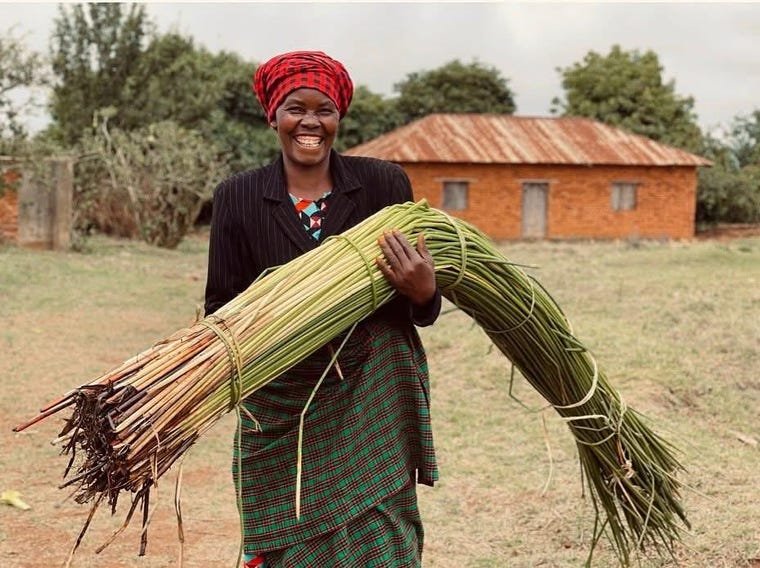
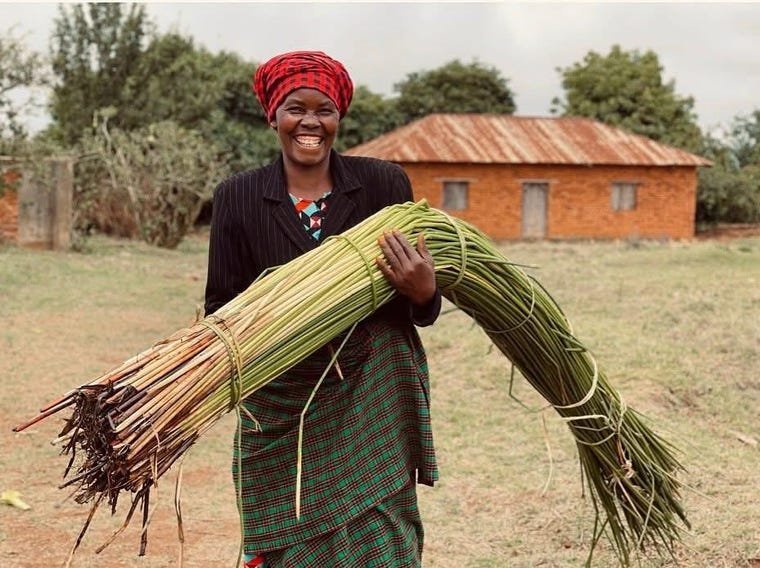
    The women walk about four hours there and back to gather milulu grass along rivers, carrying it home before any weaving begins. For the full making process, read From Grass to Bag: How a Tanzanian Basket Is Woven by Hand.

    Women Artisans in Tanzania

    Work close to home

    The women live in four districts across two regions, Iringa and Njombe. They weave in small groups in their own villages, at home or close to it. This allows the work to fit around farming and family life.

    Many of the women are widows, and the work supports their families. Vikapu Bomba calls each weaver mama, which means mother. Each woman brings her own hands, patience and sense of care to every handwoven basket bag.

    No two pieces are exactly alike. A small change in color or weave is not a flaw. It is a quiet sign that a real person made the work.

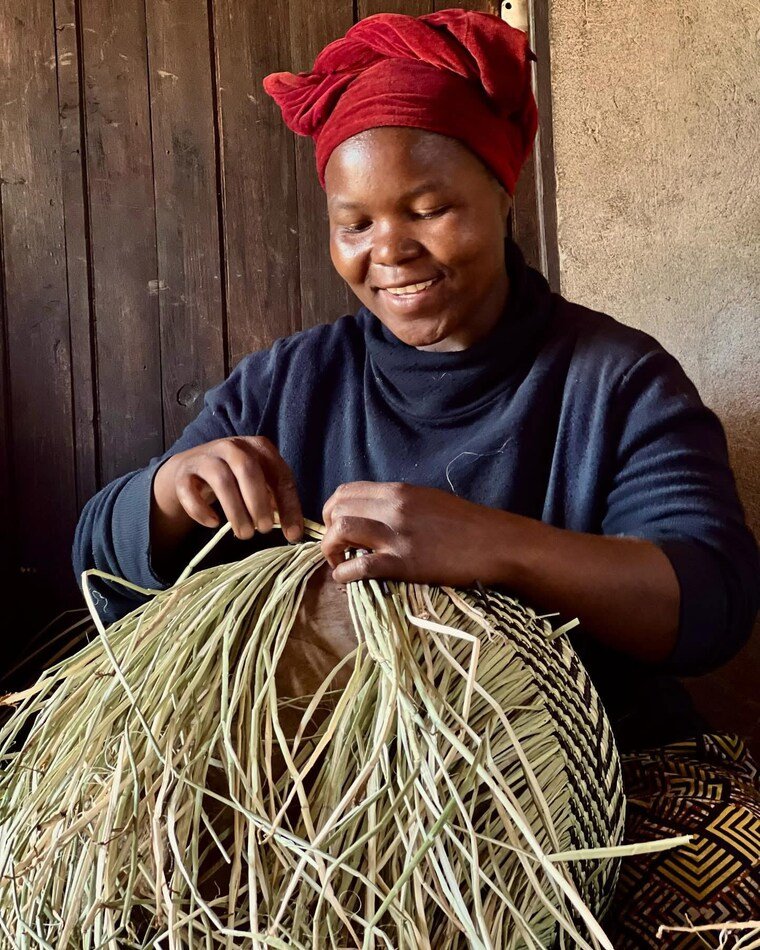
    Woman weaving a basket by hand

    Catherine, and Why She Went to the Villages

    A beginning with six women

    Catherine Shembilu started her first weaving group in 2011 while she was still a student. It began with six women weavers.

    A friend overseas, a doctor in Finland, had asked Catherine to find handwoven baskets to give as gifts. Catherine found an Iringa basket in the town market, but she wanted better quality. She also wanted the money to reach the women who made the baskets.

    So she went to the villages and began buying directly from the weavers. One woman agreed to work with her and brought in others. That first group became six women.

    Catherine learned that the women had been selling their baskets so cheaply that the work barely supported them. Many had stopped weaving altogether because there was nowhere to sell. Catherine saw that a fair, direct connection could help the women continue a skill they already carried.

    From Six Women to More Than 300

    A growing circle

    • 2011: Catherine began with six women weavers.
    • 2013: Their first large market sale in Dar es Salaam sold out quickly. A second weaving group formed straight afterwards.
    • 2015: Vikapu Bomba was formally registered with 45 weavers.
    • 2016: The group had more than 60 weavers.
    • 2023: Vikapu Bomba won a grant of about $100,000 from the U.S. African Development Foundation after being chosen from more than 250 applicants in Tanzania. A program funded by the same foundation trained 130 more rural women in fine basket making.
    • Today: More than 300 women weave across four districts and two regions. They have made more than 70,000 baskets, sold in 21 countries.

    Vikapu Bomba means fantastic baskets in Swahili. The name reflects the quality of the work, but the story is larger than the baskets themselves. It is also about women working together and being seen for what they can make.

    How the Work Is Organized

    Skill shared from one woman to another

    Each group has a lead weaver who trains new members and checks the quality of every piece. A new weaver works beside an experienced one for about two months, until her work meets the standard.

    The women also learn bookkeeping, quality control and how to run a group. They are paid for each piece they make, at prices agreed with the women themselves. They now earn three to four times what they earned from weaving before.

    Each piece is woven by one woman’s hands from start to finish.

    That care is present in every row. It is also why the maker remains central to the story.

    What the Work Has Changed

    Income with a place to go

    The weavers say they can cover household costs and put enough healthy food on the table. Most put part of what they earn into village savings groups. Those savings help pay for school fees, school uniforms, health costs and help on the farm during planting and harvest seasons.

    Many have moved their children to better schools in town. Some have started a second small business. Others have invested in farming and livestock.

    One weaver with a disability joined in 2013. At the time, she lived with her five children in one small room with no window. Through what she earned from weaving, she bought land, built a two-bedroom house and put her children through school.

    The longest-serving weaver is the woman who helped Catherine find the very first group. Her weaving sent her child to university and her grandchildren to school.

    Earning their own money has given the women a voice in decisions at home and in their communities. Catherine believes women achieve more when they work together. She also believes steady income gives rural women control over their own money and restores their pride.

    What This Means in Your Hands

    The makers remain visible

    In Iringa, Tanzanian leather straps and handles are attached by hand, and each piece is checked before it is packed. From Iringa, the bags travel to Denver, Colorado, where Fariji Cannon, who was born in Iringa, packs and ships every order.

    Catherine’s label goes on every bag beside ours. That matters because the makers should remain visible in the story of what they have made.

    When you choose a bag, you are receiving something shaped by a woman’s time and skill. A blessing carried forward.

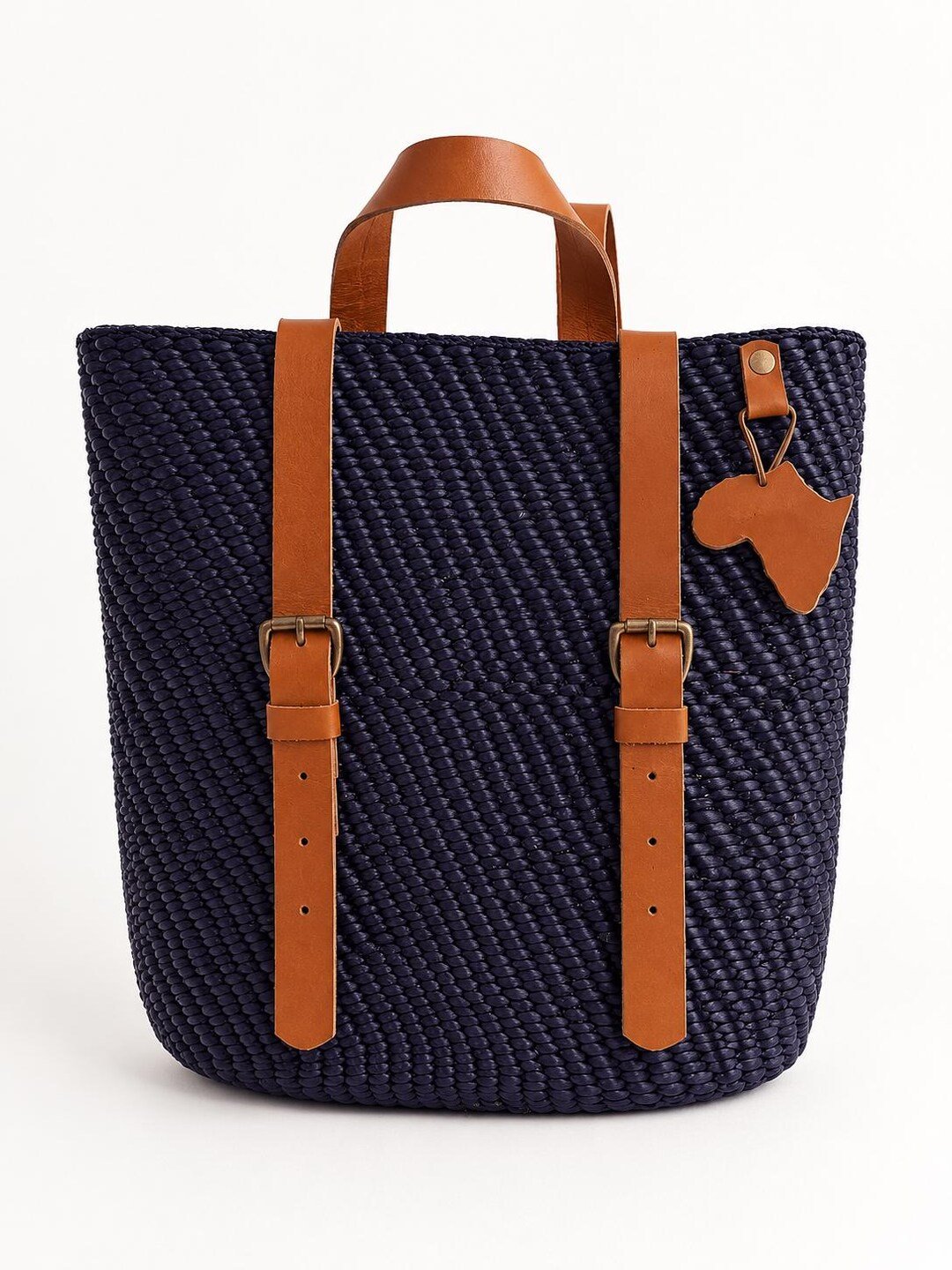
    Two pieces to explore are the Navy Blue Backpack, $170 and the Large Sage Green Tote, $125.

    FAQ

    Who weaves Fortress of Blessing bags?

    The bags are woven by the women of Vikapu Bomba. More than 300 rural women across the Iringa and Njombe regions weave with the enterprise.

    Where in Tanzania are the bags made?

    The bags are handwoven in Iringa, in the southern highlands of Tanzania. The women live and work across four districts in the Iringa and Njombe regions.

    How is the work organized around family life?

    The women weave in small groups in their own villages, at home or close to it. This allows the work to fit around farming and family.

    Shop on Etsy

    You are warmly invited to explore the collection on Etsy and find the piece that feels like yours.

    Made by her hands. Carried by yours.
    Keep Reading

  • The Four-Hour Walk Before the Weaving Begins

    The Four-Hour Walk Before the Weaving Begins

    The women walk about four hours there and back to gather milulu grass, before a single strand is woven.

    That journey begins every milulu grass basket and Tanzanian basket bag made through Vikapu Bomba in Iringa, Tanzania. The grass grows along rivers and streams in the southern highlands. The women walk to where it grows, cut it by hand, and carry it home.

    The weaving comes later.

    Much later.

    From Grass to Basket

    The Milulu Grass Basket Begins at the River

    Milulu is a reed-like grass. It grows along rivers and streams in Tanzania’s southern highlands.

    The women cut the grass carefully so the plant can grow back. Then they carry the bundles home. The work is physical, and it takes time. Before a basket can take shape, the material must first be gathered, cleaned, dried, split, and prepared.

    The grass is laid in the sun for a day or two. Once it has dried, it is split and bundled. Strands that will carry color are dyed before weaving begins.

    Only then is the material ready.

    This is why the material matters. A handwoven basket bag is not simply a bag made to look woven. It begins with a particular grass, gathered from a particular place, and prepared by hand before the first pattern is made.

    Bundles of natural grass ready for hand weaving

    An Iringa Tradition

    What Makes an Iringa Basket Different?

    In Iringa, a basket is an everyday tool.

    People use baskets for market days, carrying food, and taking grain to the mill. Basket weaving is part of the long tradition of the Hehe people. The skill has been passed from mother to daughter over many years.

    The basket is useful first. Its beauty grows from that use.

    The same tradition now takes new forms. The women of Vikapu Bomba weave totes, backpacks, crossbody bags, and bucket bags. The shapes are made for modern carrying, but the material and the handwork remain connected to Iringa life.

    Each piece is woven in traditional patterns. Small differences in color, spacing, and weave are expected. They are the marks of real hands working with a living material.

    No two are exactly alike.

    That is not a flaw. It is part of the story.

    The Women of Vikapu Bomba

    From Six Women to More Than 300

    Vikapu Bomba means “fantastic baskets” in Swahili. Catherine Shembilu started the social enterprise in Iringa in 2011 with six women weavers.

    At the time, many women had put basket weaving down. They were selling their work for so little that it barely supported them. There was also nowhere reliable to sell the baskets.

    Catherine helped create a different path.

    Today, more than 300 rural women across the Iringa and Njombe regions weave with Vikapu Bomba. The women work in small groups in their own villages. This allows the work to fit around farming and family.

    Many of the women are widows. Their weaving supports their families.

    The women are paid per piece at prices agreed with the women themselves. They now earn three to four times what they earned from weaving before.

    The work is organized with care. Each group has a lead weaver who checks the quality of every piece. A new weaver works beside an experienced weaver for about two months.

    Skill is shared by working together.

    A woman weaving a basket by hand

    Days of Handwork

    From Tanzanian Basket Bag to Handwoven Tote Bag

    Once the milulu grass is prepared, the weaving begins entirely by hand.

    A crossbody takes about two days of weaving. A backpack takes five to seven days. A tote takes seven to nine days.

    The length of time depends on the shape and the pattern. Each strand is placed with attention. The weave builds slowly, row by row.

    This is where a milulu grass basket becomes a handwoven basket bag.

    The material remains connected to its origin. The finished shape becomes something you can carry into your own daily life.

    A handwoven tote bag can hold the memory of market baskets while serving a new purpose. A crossbody can bring the tradition closer to the body. A backpack can carry the same craft along a different kind of journey.

    The form changes. The care remains.

    Two Bags to Carry Home

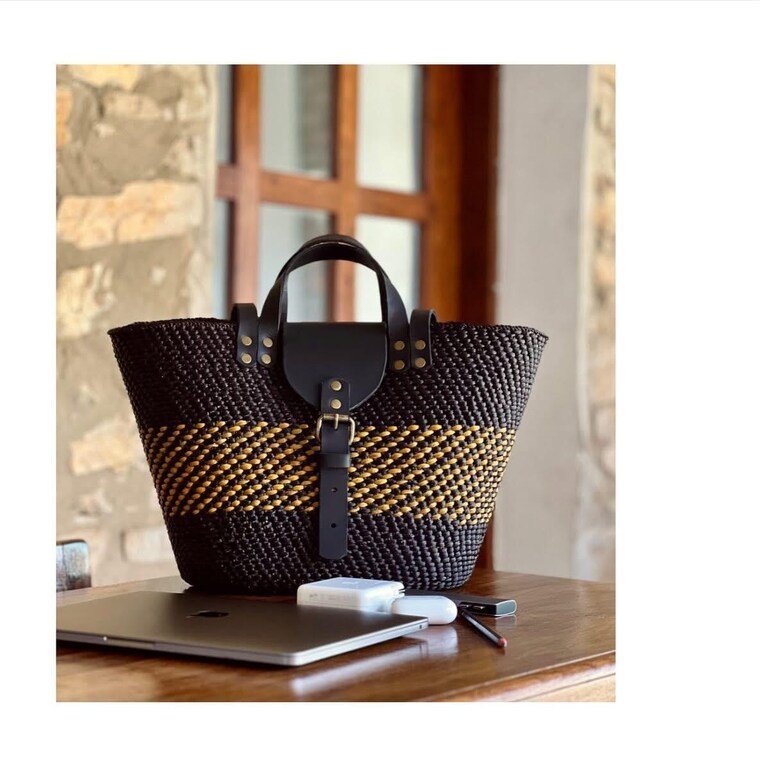
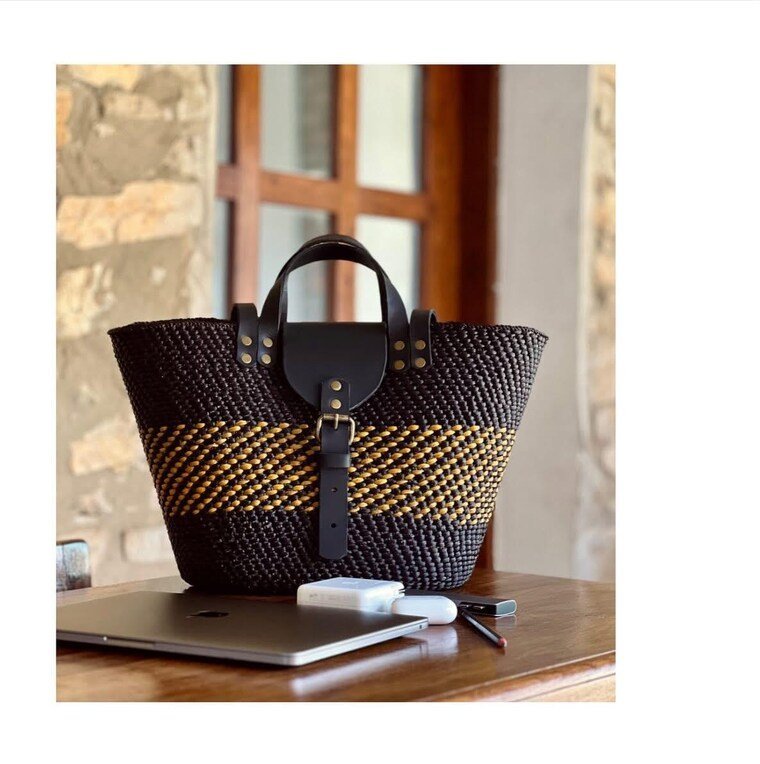
    Large Black and Natural Tote, $125

    Large black and natural handwoven tote bag

    The Large Black and Natural Tote brings two tones of milulu grass together in a clear, structured pattern. It is finished with black leather handles.

    Price: $125

    This is a handwoven tote bag for someone who wants the traditional basket form in a shape made for everyday carrying.

    Black Bucket Bag, $100

    Black handwoven bucket bag with leather strap

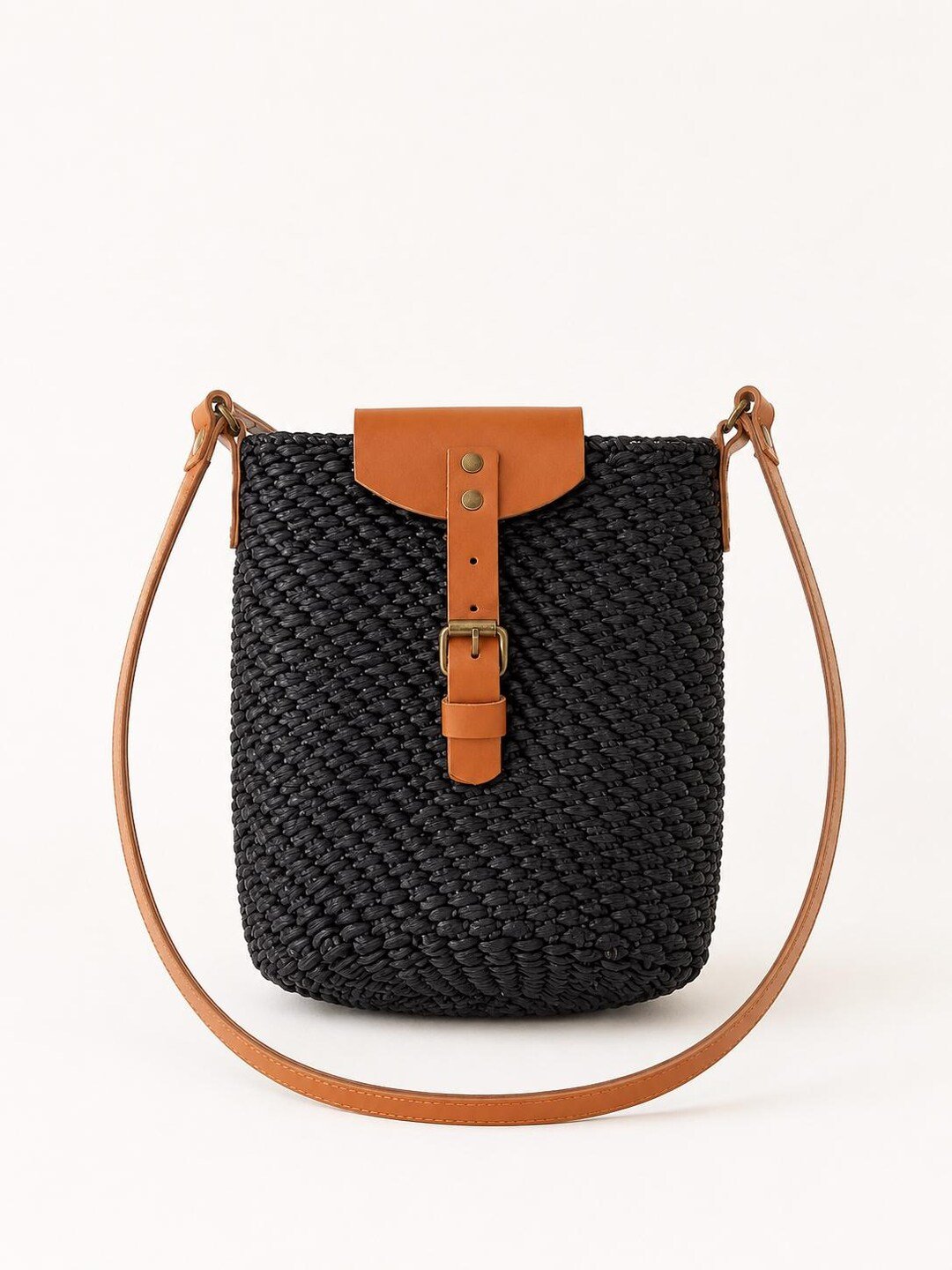
    The Black Bucket Bag has a deep black woven body, leather details, and an adjustable leather strap. Its rounded form offers a different expression of the same Iringa basket tradition.

    Price: $100

    Every bag is finished in Iringa. Tanzanian leather straps and handles are attached by hand. Each piece is checked before it is packed.

    Catherine’s label goes on every bag beside ours. The label matters because the bag is made through partnership.

    From Iringa, the finished pieces travel to Denver, Colorado. Fariji Cannon, who was born in Iringa, packs and ships every order from our small shop.

    Questions Shoppers Ask

    Where does milulu grass come from?

    Milulu grass grows along rivers and streams in Tanzania’s southern highlands. The women travel about four hours there and back to gather it. They cut it so the plant can grow back, then carry it home to clean, dry, split, and bundle.

    What makes an Iringa basket different?

    An Iringa basket is rooted in everyday life and the long basket-weaving tradition of the Hehe people. Baskets have been used for market days, carrying food, and taking grain to the mill. The skill is passed from mother to daughter and is now woven into modern totes, backpacks, crossbody bags, and bucket bags.

    What are the bags made of?

    Our bags are handwoven from milulu grass gathered in Tanzania’s southern highlands. They are finished with leather straps and handles attached by hand in Iringa. Each bag is checked before it travels to Denver.

    The four-hour walk is part of every bag.

    So are the hands that cut the grass, the sunlight that dries it, the women who prepare each strand, and the patient work that turns it into a pattern.

    A milulu grass basket carries more than an object. It carries a tradition that is still being practiced, shared, and brought forward.

    If you are looking for a milulu grass basket or a handwoven tote bag, we hope you will find something here that feels meaningful to carry. We invite you to explore the Fortress of Blessing collection on Etsy.

    Find the bag that is yours.

    Keep Reading

  • Why a Handwoven Tote Takes Seven to Nine Days to Make

    Why a Handwoven Tote Takes Seven to Nine Days to Make

    Seven to nine days. That is how long it takes to weave one of our larger totes by hand, after the milulu grass has already been gathered, cleaned, dried, split, and bundled.

    A handwoven tote bag is not made in one quick step. It is built strand by strand, with traditional patterns, steady hands, and time. The finished piece becomes a woven market tote, a handwoven basket bag, and a useful reminder of the women and heritage behind it.

    The time is part of the story.

    The Weaving Time

    Why a woven market tote takes patience

    A machine-made bag can repeat the same shape again and again at a fast pace. A handmade bag follows a different rhythm.

    The woman weaving each Fortress of Blessing tote builds the piece from start to finish. She works the prepared milulu grass into its pattern by hand. Each strand has to be placed, tightened, and guided into the shape of the bag.

    The work is careful. The pattern must hold. The edges must come together. The body of the tote must keep its form.

    This is not seven to nine days of preparation, packaging, or shipping. It is seven to nine days of weaving alone.

    A crossbody takes about two days to weave. A backpack takes about five to seven days. We do not give a weaving time for the bucket bag because that timing has not been recorded for us.

    The larger size and fuller shape of a tote require more time. So do the details within the pattern. The work cannot be hurried without changing the character of the piece.

    100% handwoven.

    Woman weaving a basket by hand with prepared milulu grass

    From the Rivers

    How a milulu grass basket begins

    Before weaving starts, the milulu grass must be found and gathered.

    Milulu grass grows along rivers and streams in the southern highlands of Tanzania. Gathering it can mean a four-hour walk. The grass is carried home, cleaned, and dried in the sun for a day or two. Then it is split and bundled so it is ready for weaving.

    The grass begins as a plant along the water. It becomes a useful material through preparation. It becomes a bag through patience.

    In Iringa, baskets have long been part of everyday life. The Hehe people have passed basket weaving from mother to daughter. A basket can be used for market days, for carrying food, or for taking grain to the mill.

    Our bags grow from that living tradition. They carry the memory of an everyday tool into a form you can take with you.

    The Makers

    One woman, one piece, start to finish

    The women who weave our bags are part of Vikapu Bomba, a social enterprise in Iringa, in the southern highlands of Tanzania. Vikapu Bomba means “fantastic baskets” in Swahili.

    Catherine Shembilu started the enterprise in 2011 with six women weavers. Today, more than 300 rural women across the Iringa and Njombe regions weave with her.

    The women work in small groups in their own villages. This allows the work to fit around farming and family. Many of the women are widows, and their weaving helps support their families.

    Each group has a lead weaver. She trains new members and checks the quality of every piece. A new weaver works beside an experienced weaver for about two months while learning the craft.

    The women are paid per piece at prices agreed with the women themselves. They now earn three to four times what they earned from weaving before.

    Every bag carries Catherine’s label beside ours. That matters to us. The makers should remain visible in the story of what they have made.

    The Human Pattern

    Why no two handwoven basket bags are exactly alike

    No two Fortress of Blessing bags are exactly alike.

    The color may shift slightly. The weave may have a small variation. One line in the pattern may not look precisely like the next. These differences are not flaws. They are the mark of real hands working with a natural material.

    A machine can make a repeated surface look identical. A woman weaving by hand leaves small signs of her own rhythm in the work.

    That is what makes each bag personal.

    The variation also helps you recognize that your bag was not pulled from a line of identical products. One woman shaped it over days of careful work. A lead weaver checked it. Leather straps or handles were attached by hand in Iringa. The finished piece was checked again before it was packed.

    Made with intention.

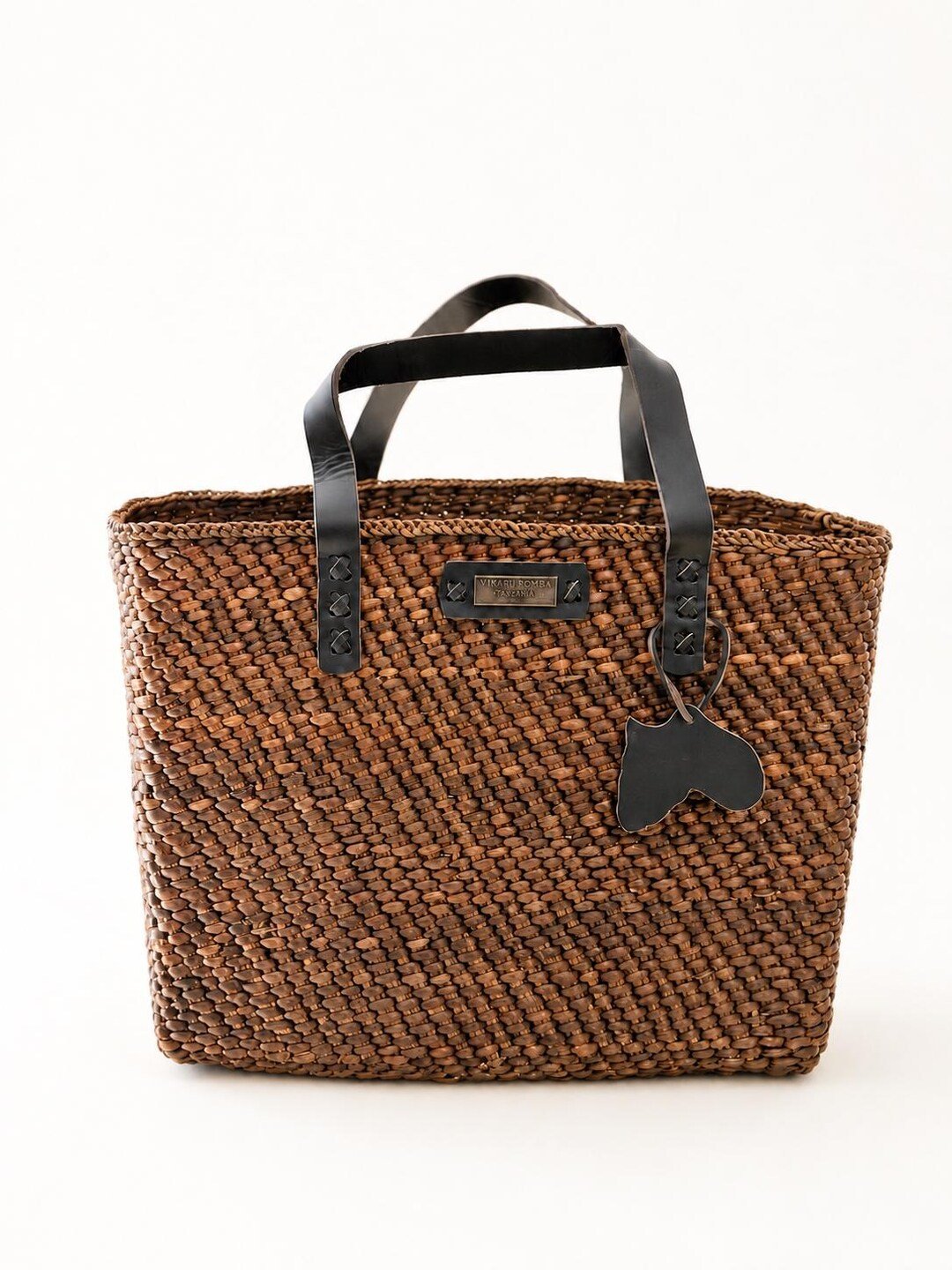
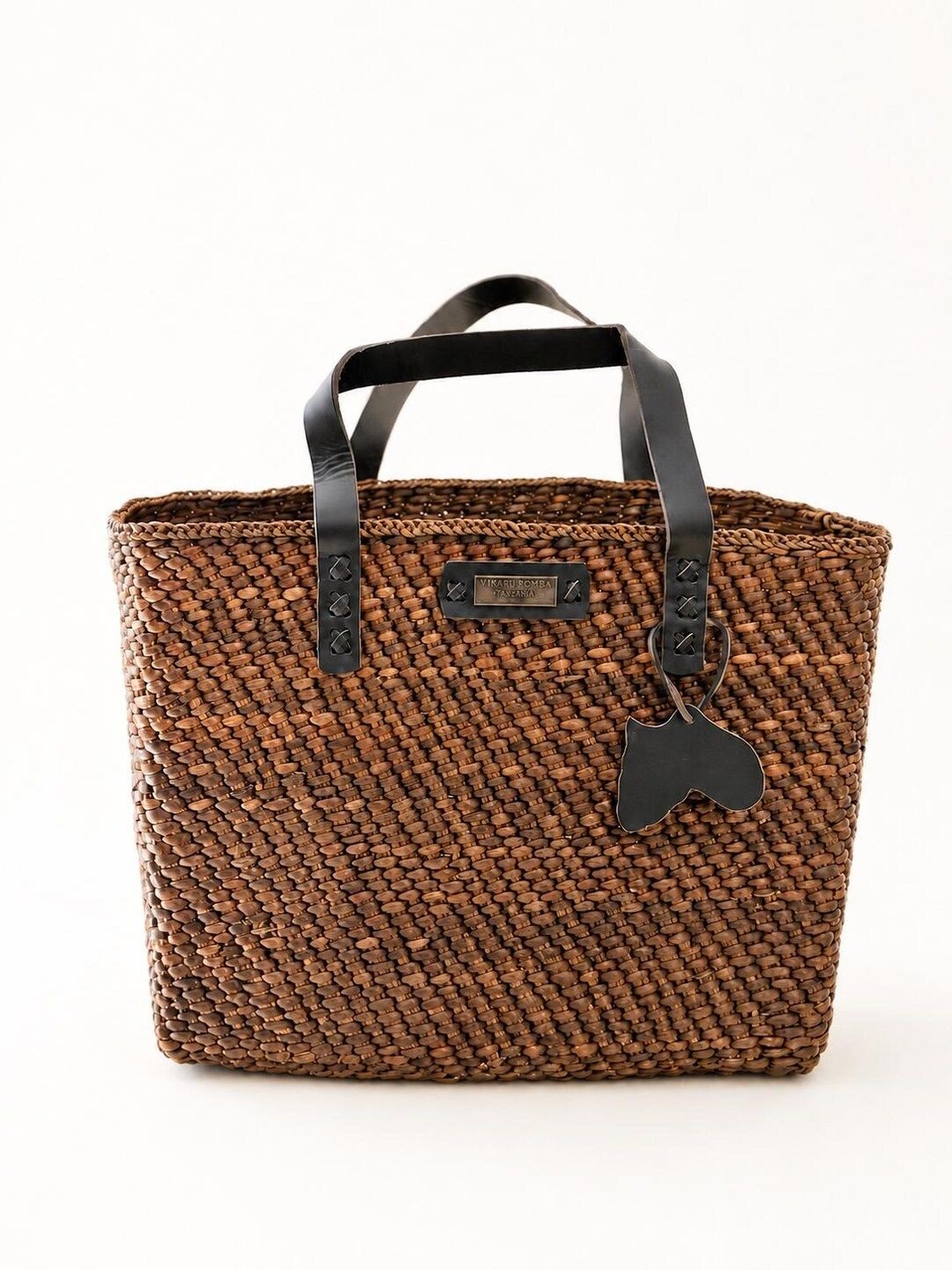
    Large Brown Basket Tote with leather handles

    Two Totes to Carry

    Large Brown Basket Tote, $125

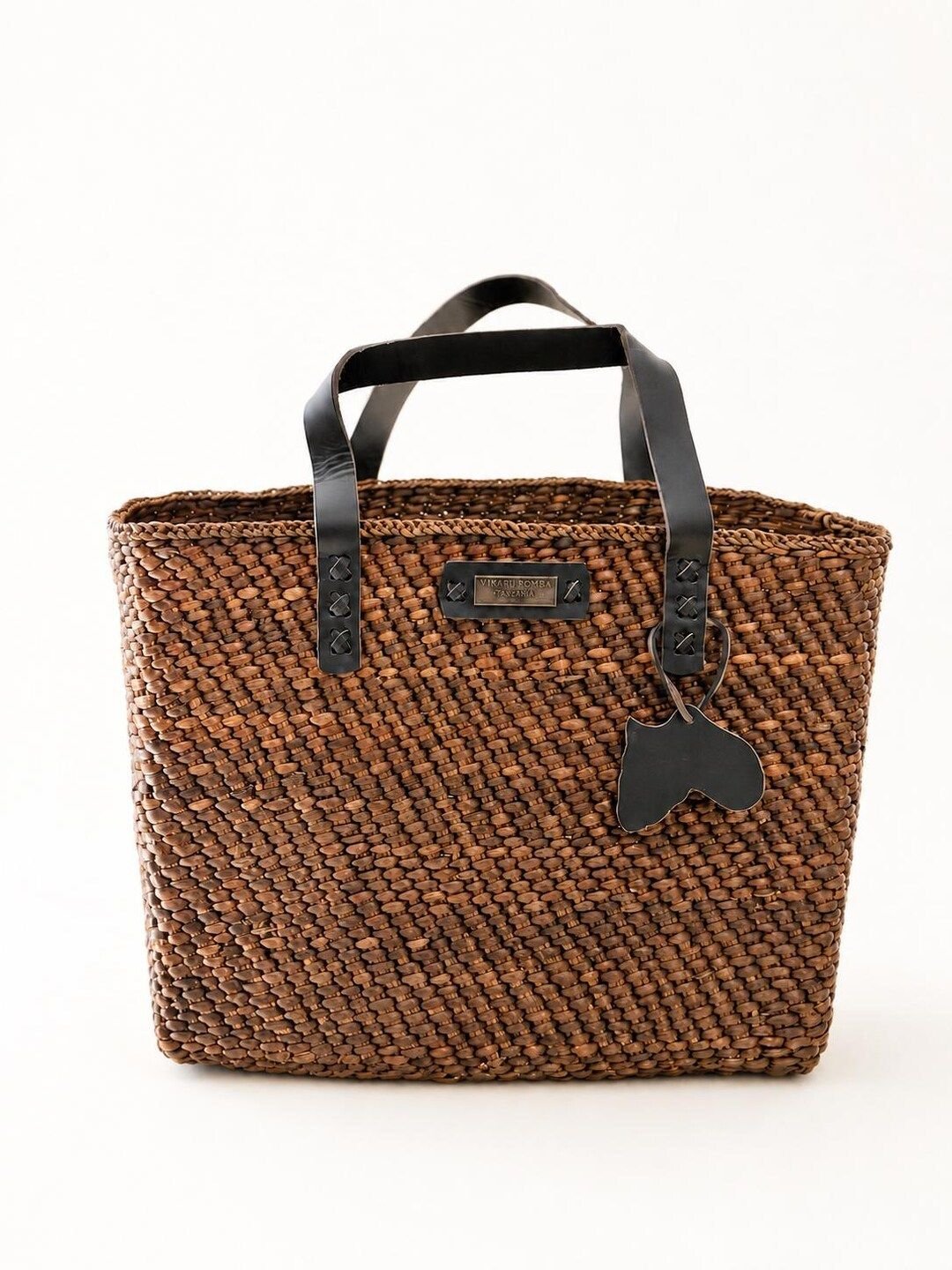
    The Large Brown Basket Tote shows the warm, natural character of milulu grass. Its handwoven surface has a quiet pattern and a grounded color. The leather handles and finishing details complete the piece by hand in Iringa.

    It is a meaningful choice when you want an everyday tote with a clear connection to traditional basket weaving.

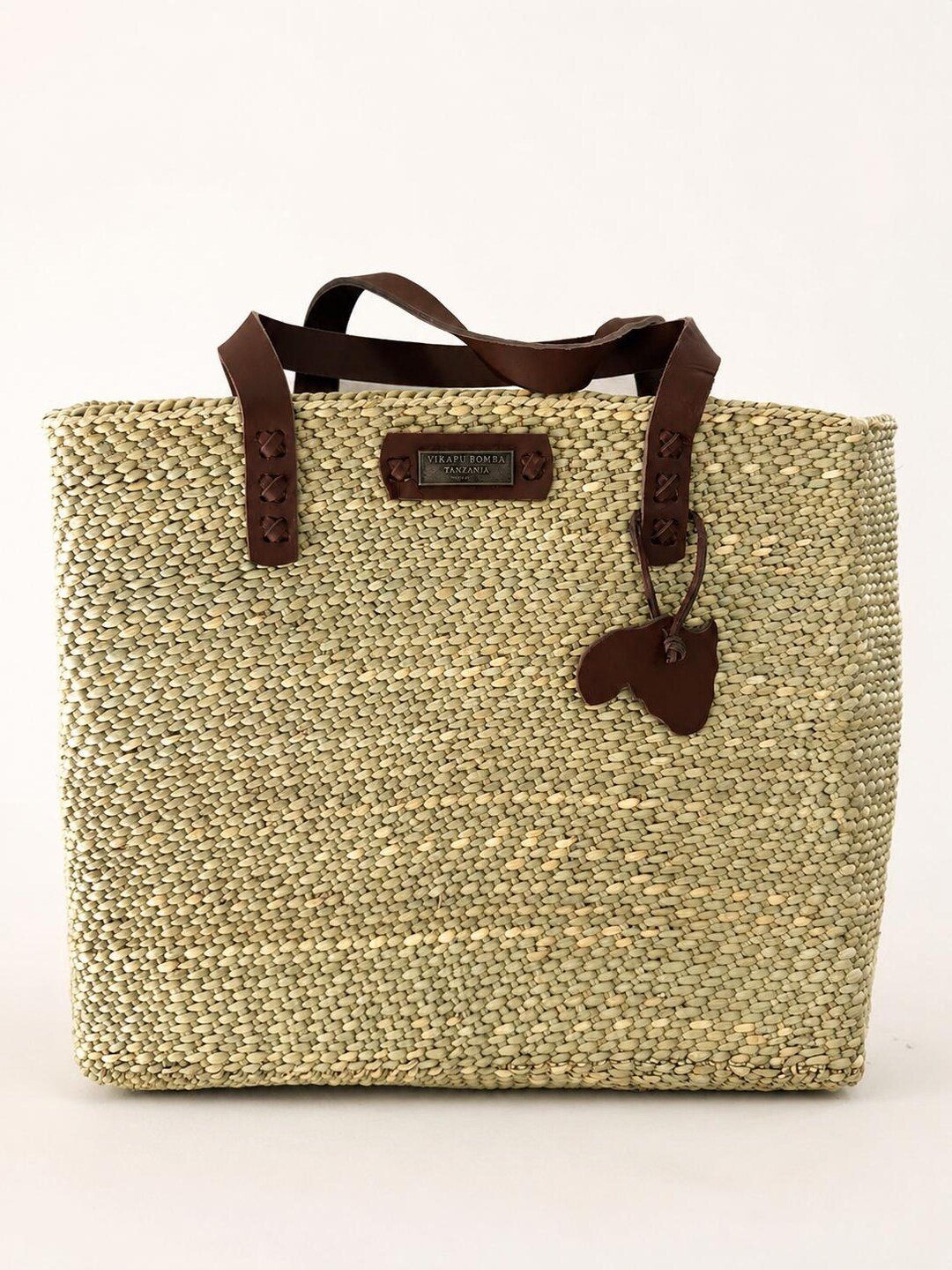
    Large Sage Green Tote, $125

    Large Sage Green Tote woven from milulu grass with leather handles

    The Large Sage Green Tote carries the same handwoven tradition in a softer color. Small changes in the grass and weave give the surface its individual character.

    For another shape, our collection also includes the Oversized Brown Market Tote for $148 and the Large Black and Natural Tote for $125. Crossbody bags and backpacks offer different ways to carry the same connection to Iringa.

    From Iringa to Denver

    A finished piece continues its journey

    When the weaving is complete, the bag is not yet at its final destination.

    The leather straps and handles are attached by hand in Iringa. Each piece is checked before it is packed. Then the bags travel from Iringa to Denver, Colorado.

    Fariji Cannon, who was born in Iringa, packs and ships every order from our small shop in Denver.

    This journey connects two homes. One is where the grass is gathered and the bag is woven. The other is where it is carefully prepared to travel to you.

    The tote takes seven to nine days to weave. The grass took a four-hour walk to gather. The finished bag crosses an ocean before it reaches your hands.

    Time stays with it.

    Questions You May Have

    How long does a handwoven tote bag take to make?

    A tote takes seven to nine days of weaving. That estimate begins after the milulu grass has been gathered, cleaned, dried, split, and bundled. Gathering and preparation happen before the weaving time begins.

    Why do handmade weaves differ slightly?

    Each piece is woven by one woman’s hands from start to finish. Natural milulu grass also has its own changes in color and texture. Small differences in color and weave are signs of individual craftsmanship, not defects.

    What are the bags made of?

    Our bags are handwoven from milulu grass gathered along rivers and streams in Tanzania’s southern highlands. They are finished with leather straps and handles attached by hand in Iringa.

    Carry the Time

    A Fortress of Blessing tote is more than a finished shape.

    It holds a four-hour walk, sun-dried grass, traditional patterns, and seven to nine days of weaving. It holds the work of one woman, the care of her group, and a partnership that reaches from Iringa to Denver.

    It can be a thoughtful one of a kind gift for someone who values heritage, handmade work, and the quiet beauty of a real difference.

    Find the one that is hers in our Etsy shop, and carry a piece of Tanzania with you.

    Keep Reading

  • From River to Handwoven Bag: The Seven Steps Behind Every Fortress of Blessing Bag

    From River to Handwoven Bag: The Seven Steps Behind Every Fortress of Blessing Bag

    Our bags are handwoven from milulu grass in Iringa, Tanzania. Each handwoven tote bag, crossbody, backpack, and bucket bag begins with grass gathered along rivers and streams, then passes through many careful hands before it reaches you.

    The process takes time. It carries tradition. It also carries the care of more than 300 rural women across the Iringa and Njombe regions.

    Here are the seven steps behind every Fortress of Blessing bag.

    1. Milulu Grass, the Beginning of a Handwoven Basket Bag

    Milulu is a reed-like grass that grows along rivers and streams in the southern highlands of Tanzania.

    It is the beginning of every bag made through Vikapu Bomba, a social enterprise in Iringa. The grass is gathered by hand and prepared for weaving. Once it has been dried and split, it becomes the material for an African basket bag with a story rooted in place.

    A milulu grass basket is not made from a factory roll or a uniform sheet. Each strand carries small differences in color, thickness, and texture. Those differences remain visible in the finished piece.

    They are marks of real hands.

    Basket weaving is a long tradition of the Hehe people of Iringa. In the region, a basket has long been an everyday tool. It can be used for market days, carrying food, or taking grain to the mill.

    Our bags grow from that practical tradition. They are made for modern carrying, but their beginning remains close to home.

    2. Gathering the Grass for a Tanzanian Basket Bag

    The women walk to where the milulu grows. The journey takes about four hours there and back.

    They carry the grass home after it is cut. The plant is cut in a way that allows it to grow back. This careful gathering is part of the work, long before a pattern begins to appear.

    It is easy to see only the finished woven market tote. The walk to the river is less visible. Still, it belongs to the bag.

    Every piece begins with time given to the material.

    The women of Vikapu Bomba weave in small groups in their own villages. This allows the work to fit around farming and family. Each group has a lead weaver who trains new members and checks the quality of the work.

    The process remains close to the communities where the grass grows.

    3. Preparing the Milulu Grass

    When the grass reaches home, it is cleaned and laid in the sun to dry for a day or two.

    After drying, the grass is split and bundled. Strands that will carry color are dyed before weaving. The prepared strands are then ready to become the body of a bag.

    Preparation may look quiet, but it shapes the work that follows. The strands need to be ready for the hands that will guide them. They need to sit together in a pattern that is both strong and beautiful.

    This is where the raw material begins to take on purpose.

    The color combinations vary across the collection. Some bags hold natural tones. Others bring together black, gold, sage, brown, or burnt orange. The pattern comes from the way the prepared strands meet one another.

    Black and gold handwoven bag with leather details

    4. Weaving Every Handwoven Tote Bag by Hand

    Every bag is woven entirely by hand in traditional patterns by the women of Vikapu Bomba.

    No machine completes the woven body. The shape develops strand by strand. The work requires attention, patience, and a steady understanding of the pattern.

    A crossbody takes about two days to weave. A backpack takes five to seven days. A tote takes seven to nine days.

    These times describe the weaving only. They begin after the grass has been gathered and dried.

    The process explains why no two bags are exactly alike. Small differences in color and weave are not flaws. They show where one person’s hands guided the work.

    Handmade, from beginning to end.

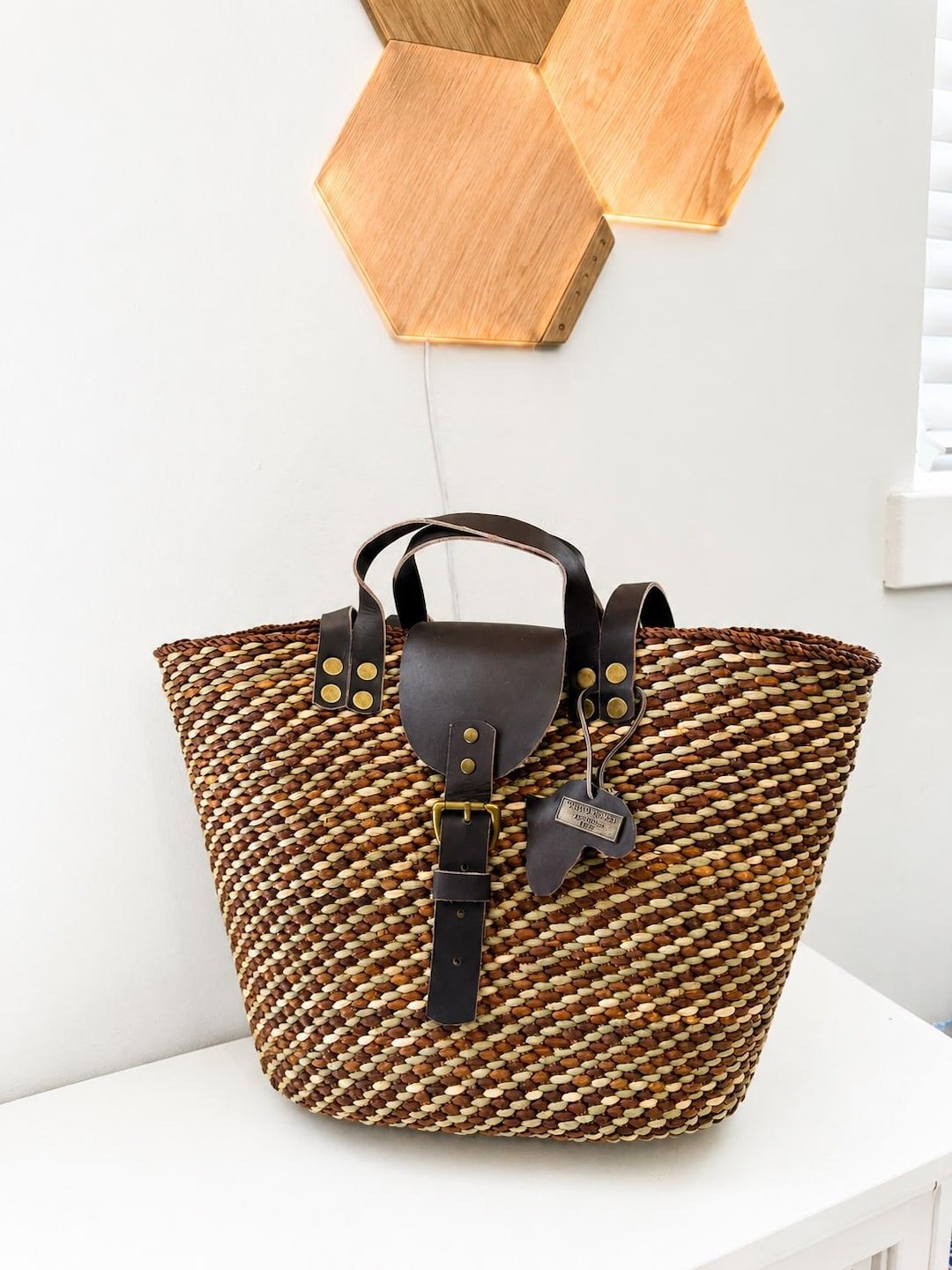
    The Oversized Brown Market Tote is one example of this work. It is priced at $148 and carries the warm, grounded character of a traditional market basket in a larger everyday form.

    For a smaller shape, the Black Crossbody with Tan Strap is priced at $100. Its handwoven body and leather strap bring the same Tanzanian craftsmanship into a more compact design.

    Both pieces are made slowly. Both carry a connection to the people and place behind them.

    5. Leather Straps, Handles, and the Final Check

    Once the woven body is complete, Tanzanian leather straps and handles are attached by hand in Iringa.

    The finishing work gives each bag its way of being carried. Handles may shape a tote for the hand or shoulder. A strap allows a crossbody to rest more easily across the body. Leather brings another natural material into the design.

    Each piece is checked before it is packed.

    The label from Catherine Shembilu’s enterprise, Vikapu Bomba, goes on every bag beside ours. Vikapu Bomba means “fantastic baskets” in Swahili. The name recognizes the work of the women who weave each piece.

    Catherine started Vikapu Bomba in 2011 with six women weavers. Today, more than 300 rural women across the Iringa and Njombe regions weave with her.

    Many of the women are widows. The work supports their families. Women are paid per piece at prices agreed with the women themselves. They now earn three to four times what they earned from weaving before.

    The bag is not only finished by hand. It is connected to a wider circle of work and care.

    6. From Iringa to Denver

    After the bags are finished in Iringa, they begin a new part of their journey. They travel from Iringa to Denver, Colorado.

    This movement connects two places without taking the first place away. The bag remains a piece of Tanzanian craft. It simply continues its journey.

    Fariji Cannon was born in Iringa and now lives in Denver. From our small shop, the bags are prepared for their next homes.

    A Tanzanian basket bag can travel far. Its story still begins beside the rivers and streams of the southern highlands.

    Black and natural handwoven tote with leather handles

    7. To You, One Bag at a Time

    Fariji packs and ships every order.

    Each bag reaches one person. That may be you.

    By the time your bag arrives, it has passed through a long chain of care. The grass was gathered. It was carried home, cleaned, dried, split, and bundled. It was woven in a village group. Leather was attached in Iringa. The finished bag traveled to Denver.

    Then Fariji prepared it for its final journey.

    That is what a handwoven basket bag holds. Not only the visible weave, but also time, place, and connection.

    A natural variation may remain in the color or pattern. Please receive it as part of the making. It is evidence that the bag was made by people, not produced to look identical.

    What Shoppers Ask About Our Bags

    Where are Fortress of Blessing bags made?

    Our bags are handwoven in Iringa, in the southern highlands of Tanzania, by the women of Vikapu Bomba. They are then shipped from Denver, Colorado.

    What are the bags made of?

    The woven bodies are made from milulu grass. The grass is gathered along rivers and streams, dried in the sun, split, and woven by hand. Tanzanian leather is used for the straps and handles.

    How long does one bag take to make?

    The weaving time depends on the style. A crossbody takes about two days. A backpack takes five to seven days. A tote takes seven to nine days. These times refer to weaving after the grass has been gathered and dried. We do not have a confirmed weaving time for the bucket bag.

    Carry the Story Forward

    A Fortress of Blessing bag begins in Iringa and continues through many hands before it reaches you. It is made with patience, shaped by tradition, and sent with gratitude.

    Explore the collection through our Etsy shop, and find the handwoven bag that feels like the one that is yours.

    Keep Reading

  • Straw Tote Bag or Woven Crossbody Bag? How to Choose Your Everyday Carry

    Straw Tote Bag or Woven Crossbody Bag? How to Choose Your Everyday Carry

    Choosing a bag is a small decision that follows you through the day.

    You carry it to the market, to work, to a friend’s home, or simply from one room to the next. The right bag should feel useful. It should also feel like yours.

    If you are deciding between a straw tote bag and a woven crossbody bag, begin with one honest question:

    What do you really carry on an ordinary day?

    Not the day you imagine having. Your real day.

    A tote may be right when you need room for more than the essentials. A crossbody may be better when you want to move lightly, keep your hands free, and carry only what belongs close to you.

    Both can be beautiful. Both can be deeply practical. The choice comes down to the kind of life your bag will accompany.

    The Short Answer

    Choose the tote when you carry more

    A tote is the natural choice for days when your bag needs to hold several parts of your life at once.

    Perhaps you carry a notebook, a book, a scarf, food for the day, or something you picked up along the way. Perhaps you simply prefer having room rather than arranging every item carefully.

    A handwoven tote bag gives you that sense of welcome. It opens to the day instead of asking you to reduce it.

    Our Oversized Brown Market Tote: $148 carries the feeling of the traditional market basket that inspired it. In Iringa, baskets are everyday tools used for market days, carrying food, and taking grain to the mill. This is not a shape created only for display. It comes from a tradition of carrying what daily life asks you to carry.

    Oversized brown handwoven market tote

    The Large Brown Basket Tote: $125 offers another expression of that same heritage. The Large Black and Natural Tote: $125 brings contrast through its woven colors, while the Large Sage Green Tote, $125 offers a quieter, softer presence.

    A tote is especially fitting if you want one bag for errands, market days, and the many small things that gather around you as the day unfolds.

    The Lighter Choice

    Choose the crossbody when you want freedom

    A woven crossbody bag stays close to the body and leaves your hands free.

    That matters when you are walking, browsing a market, traveling, or moving through a busy day. You do not have to keep reaching for a bag resting beside you. It remains part of your movement.

    A crossbody also encourages simplicity. You carry your phone, wallet, keys, and the few things you truly need. There is less room for the day to fill itself with extras.

    The Black Crossbody with Tan Strap: $100 offers a clear, everyday contrast between the deep woven body and its warm leather strap. Its shape carries the tradition of an African basket bag into a form suited to modern movement.

    Black woven crossbody bag with tan leather strap

    If you prefer a darker, more understated look, the Black Crossbody with Brown Strap: $100 carries the same quiet sense of purpose. The Black and Gold Crossbody: $135 adds a small note of brightness while remaining grounded in the natural texture of the weave.

    A crossbody may be the better choice if your days are often spent walking, visiting, traveling, or carrying only the essentials.

    The Material Matters

    Straw is more than a summer texture

    People often use the phrase “straw tote bag” to describe a woven natural-fiber bag. It brings to mind warm weather, open-air markets, and an easy kind of beauty.

    Our bags are made from milulu grass, a reed-like grass gathered by hand along rivers in Tanzania’s southern highlands. The grass is dried in the sun before the women of Vikapu Bomba weave it into baskets and bags.

    The material begins close to the land. The finished bag begins with someone’s hands.

    That distinction matters. A handmade straw bag is not only defined by its natural texture. It is also defined by the time held inside it.

    Each bag takes days of work. The weaver builds the form strand by strand, creating the pattern as she goes. Small differences in color and weave are part of that process.

    No two are exactly alike.

    That is not a flaw to correct. It is the mark of a real person making something carefully.

    Woman weaving a basket by hand with natural fibers

    The Story Behind the Bag

    From Iringa to your hands

    The women who weave our bags are part of Vikapu Bomba, which means “fantastic baskets” in Swahili.

    Catherine Shembilu founded the weaving enterprise in Iringa in 2011 with six weavers. Today, more than 300 women across the Iringa and Njombe regions weave with Vikapu Bomba. Their baskets are sold in 21 countries.

    Many of the women are widows, and the work supports their families.

    Catherine’s label goes on every bag alongside ours. That detail is important to us. These bags are not presented as the work of one distant brand. They are made through a relationship between the women who weave them, the people who carry them, and the people who help bring them home.

    Our founder, Fariji Cannon, was born in Iringa and now lives in Denver, Colorado, where she packs and ships every order.

    The journey is long. It begins with milulu grass by a river and ends with a bag in your hands.

    You become part of that journey when you choose one.

    Tote or Crossbody?

    Let your real routine decide

    A simple way to choose is to think about your longest ordinary day.

    What do you carry when you leave home? What do you bring back? Do you tend to gather things as you go, or do you prefer to keep your belongings close and simple?

    There is no better category. There is only the bag that meets your life with more ease.

    Choose the tote if… Choose the crossbody if…
    You usually carry more than personal essentials. You prefer to carry only what you need.
    You want room for items gathered during the day. You want to keep your hands free.
    You are drawn to the shape of a traditional market basket. You want a bag that stays close as you move.
    You like an open, generous everyday carry. You prefer a lighter, more compact feeling.
    You want a handwoven tote bag for errands and daily life. You want a woven crossbody bag for walking and going out.

    If you are still unsure, listen for the feeling you want.

    A tote says: There is room.

    A crossbody says: I can go.

    Two Ways to Carry Heritage

    The one that fits your day

    Our Oversized Brown Market Tote carries the shape of a basket made for daily use. It is a natural choice if you want a larger handmade straw bag with a strong connection to market-day tradition.

    Our Black Crossbody with Tan Strap offers another path. It brings the same handwoven craftsmanship into a smaller form that can travel close to you.

    Both begin in the same place: milulu grass, gathered and dried in Tanzania. Both are woven by hand by the women of Vikapu Bomba. Both are finished with real leather straps or handles. Both hold the small variations that make handmade work honest.

    The difference is not in the care.

    The difference is in how you move through the day.

    You may find that one bag is enough. You may find that a tote and a crossbody serve different parts of your life. A tote can welcome the fuller days. A crossbody can accompany the quiet ones.

    There is room for both.

    To learn more about how these bags are made, you can read From Grass to Bag: How a Tanzanian Basket Is Woven by Hand.

    Find the One That Is Yours

    Every Fortress of Blessing bag is handwoven in Iringa, Tanzania, then carried home to you from our small shop in Denver.

    Take your time looking. Notice the weave. Notice the color. Notice the small difference that tells you this bag was made by hands, not produced to be identical.

    When you are ready, explore the Fortress of Blessing collection on Etsy.

    A tote or a crossbody. A little more room or a lighter step.

    Whichever one you choose, may it carry something meaningful with you.

    Keep Reading

  • Still Hunting for a Gift She’ll Actually Keep? 7 Handmade Christmas Gifts Under $150

    Still Hunting for a Gift She’ll Actually Keep? 7 Handmade Christmas Gifts Under $150

    Some gifts are opened, admired, and soon forgotten.

    Others become part of a person’s life.

    This holiday season, if you are looking for a meaningful gift for her, consider something made slowly and carried often: a handwoven basket bag from Tanzania. Each Fortress of Blessing bag is woven by hand from milulu grass, a reed-like grass gathered along rivers in Tanzania’s southern highlands. The grass is dried in the sun, shaped strand by strand, and finished with real leather straps or handles.

    A bag takes days of work. No two are exactly alike.

    That small variation is part of the beauty. It is the mark of real hands and a reminder that the gift you choose was not made by a machine for thousands of people. It was made as one individual piece.

    Here are seven handmade Christmas gifts under $150 to help you find the one that feels right for her.

    The Everyday Gift

    1. Oversized Brown Market Tote $148

    For the woman who likes a bag with room for the day, the Oversized Brown Market Tote is a thoughtful choice.

    Its warm brown weave has the quiet character of a traditional market basket, while its leather handles give it a practical shape for modern life. In Iringa, baskets have long been everyday tools for market days, carrying food, and taking grain to the mill. That tradition lives in this tote.

    It is a gift that honors where the basket began while giving her something she can carry in her own way.

    A useful gift. A meaningful one.

    The Classic Basket

    2. Large Brown Basket Tote: $125

    The Large Brown Basket Tote carries the natural warmth of milulu grass in a simple, enduring form.

    This is a lovely gift for a mother, grandmother, sister, or friend who appreciates pieces that feel connected to place. The brown tones are grounded and easy to live with. The handwoven texture invites a closer look, where she can see the slight changes in color and pattern that make the bag hers alone.

    Every Fortress of Blessing basket is woven by hand. That means the weave may not look perfectly uniform from one bag to the next.

    It is not a flaw.

    It is the signature of the maker.

    Bundles of milulu grass prepared for weaving

    The Bold Neutral

    3. Large Black and Natural Tote: $125

    For someone who loves a strong, simple palette, the Large Black and Natural Tote brings together dark and natural fibers in a graphic woven pattern.

    The contrast gives this handmade gift a distinct presence without making it difficult to wear or carry. It feels considered, but not overly formal. A little traditional. A little modern.

    The tote also offers a close look at the care within the weave. The women of Vikapu Bomba work the dried grass into rows by hand, building each basket over days of focused labor. The result is more than a pattern. It is time made visible.

    The Quiet Color

    4. Large Sage Green Tote: $125

    The Large Sage Green Tote is for the woman drawn to color that feels calm and natural.

    Sage green has a gentle presence. It adds something special without asking to be the center of attention. This makes the tote a beautiful choice when you want a handmade gift that feels personal, but you are not sure which bold color she would choose for herself.

    As with every basket in the collection, the color and weave may vary slightly. Each one is individual. Each one carries the character of the woman who made it.

    Made with intention.

    The Small Statement

    5. Black and Gold Crossbody $135

    The Black and Gold Crossbody is a meaningful choice for someone who prefers a smaller bag with a little contrast.

    Its black-and-gold woven design gives it a distinct look, while the crossbody shape makes it easy to carry close. It is a gift for the woman who appreciates details: the movement of the weave, the warmth of the color, and the feel of leather finished by hand.

    This bag also shows how a long tradition can take a new form. In Iringa, basket weaving belongs to the everyday life of the Hehe people. With Vikapu Bomba, that tradition continues in bags designed to travel beyond the market and into many different lives.

    Black and gold handwoven crossbody bag with leather details

    The Timeless Black Bag

    6. Black Bucket Bag $100

    The Black Bucket Bag is a simple, versatile handmade gift for her.

    Black allows the texture to take the lead. Look closely and you can see the woven grass, the hand-shaped structure, and the leather details that finish the bag. The form feels classic, while the natural material keeps it connected to the basket tradition from which it comes.

    At $100, it is also a thoughtful choice when you want to give something distinctive without going beyond a $150 budget.

    A gift does not need to be extravagant to be remembered.

    Sometimes it only needs to feel chosen.

    The Warm Accent

    7. Black Crossbody with Brown Strap $100

    The Black Crossbody with Brown Strap pairs a dark woven body with the warmth of brown leather.

    That combination gives the bag a quiet, inviting character. It is a good fit for someone who likes traditional materials but wants a piece that feels easy to carry from one setting to another.

    The leather is real, and the weaving is done by hand. Every strand has passed through a maker’s hands before the bag reaches Denver, where founder Fariji Cannon packs and ships each order herself.

    Fariji was born in Iringa, Tanzania, and now lives in Denver, Colorado. Her work helps connect the place where these baskets begin with the people who will carry them around the world.

    Black woven crossbody bag with brown leather strap

    Why a Handmade Bag Makes a Lasting Gift

    Fortress of Blessing bags are woven by the women of Vikapu Bomba, which means “fantastic baskets” in Swahili. Catherine Shembilu founded the weaving enterprise in Iringa in 2011 with six weavers. Today, more than 300 women across the Iringa and Njombe regions weave with Vikapu Bomba, and their baskets are sold in 21 countries.

    Many of the women are widows, and this work supports their families.

    Catherine’s label goes on every bag alongside ours. It is a small but important reminder that these bags are made together, through partnership and shared care.

    The work begins with milulu grass gathered along the rivers of Tanzania’s southern highlands. After the grass dries in the sun, a weaver shapes it into a basket over days of careful work. Then the finished piece travels from Iringa to Denver.

    From grass to basket. From one pair of hands to another.

    When you give one, you are giving something with a history, but also something made for the present. A bag to use. A texture to notice. A piece that can become part of her daily life.

    For a closer look at the process, read From Grass to Bag: How a Tanzanian Basket Is Woven by Hand.

    Find the One That Is Hers

    A meaningful Christmas gift does not have to be complicated. It can be a color she loves, a shape that suits her days, or a texture that reminds her to slow down and notice the work around her.

    Each bag is one of a kind. Each is woven by hand. Each carries a little of Iringa forward.

    Explore the Fortress of Blessing collection on Etsy and find the bag that feels like hers.

    Keep Reading

  • From Grass to Bag: How a Tanzanian Basket Is Woven by Hand

    From Grass to Bag: How a Tanzanian Basket Is Woven by Hand

    Every Fortress of Blessing bag starts a long way from Denver. It starts on a riverbank in the southern highlands of Tanzania, with a woman bending to cut a bundle of grass. By the time the bag reaches you, it has passed through many hands, and every one of them left something of themselves in the weave. Here is how it happens.

    It begins with milulu grass

    Our baskets are woven from milulu grass, a tall, reed-like grass that grows along certain rivers in Tanzania’s southern highlands. Gathering it is real work. The women walk out to the riverbanks, cut the grass by hand, and carry the heavy bundles back to their villages.

    Then the grass is laid out to dry in the sun. Drying is what makes it strong and supple enough to weave, and it is why a finished basket can carry groceries, books, or a day at the beach and still hold its shape for years.

    A tradition from Iringa

    In the Iringa region, where our founder Fariji was born, baskets are not decorations. They are everyday tools. Families use them for market days, for carrying food, and for taking grain to the mill. Iringa baskets are a long tradition of the Hehe people, and the skill has been passed down for generations.

    For a while, that tradition was fading. Weaving took days, and there were few places to sell the baskets for a fair price. That is where Vikapu Bomba comes in.

    The women of Vikapu Bomba

    Vikapu Bomba, which means “fantastic baskets” in Swahili, was founded in Iringa in 2011 by Catherine Shembilu. She started with six weavers. Today more than 300 women across the Iringa and Njombe regions weave with Vikapu Bomba, and their baskets are sold in 21 countries.

    Catherine brought the women together into small groups, helped them sharpen their skills, and found markets for their work. She also taught new designs, turning the traditional market basket into totes, backpacks and crossbody bags you can carry anywhere. Many of the women who weave our bags are widows, and this work helps them care for their families.

    Weaving a basket by hand

    Strand by strand

    The weaving itself is done entirely by hand. The weaver works the dried grass into tight, even rows, building the pattern and the bands of color as she goes. Depending on the size and design, a single basket takes days, and sometimes weeks, of careful work.

    Because every basket is made by hand, no two are ever exactly alike. A slightly different shade of grass, a pattern that shifts by a row: these are not flaws. They are the signature of the woman who made it.

    Finished with leather

    Once the weaving is done, each bag is finished with real leather straps and handles, so it can carry real weight every day. Our backpacks have leather straps with buckles, and most of our crossbody bags have a leather flap and a long strap. Catherine’s label goes on every bag alongside ours, because we make these bags together.

    From Iringa to you

    From Iringa, the finished bags travel to Denver, Colorado, where Fariji packs each one by hand and ships it to its new home. When you carry one, you carry a piece of Tanzania with you, and you help a woman in Iringa earn a living with her own hands.

    If you would like to see the craft up close, our Oversized Brown Market Tote shows the classic market-basket weave, and our Mustard Gold and Sage Backpack shows how the same tradition becomes something new.

    Woven by hands. Blessed by tradition.